

Flexible Printed Circuit Board (FPC) – Innovation in Electronics Industry
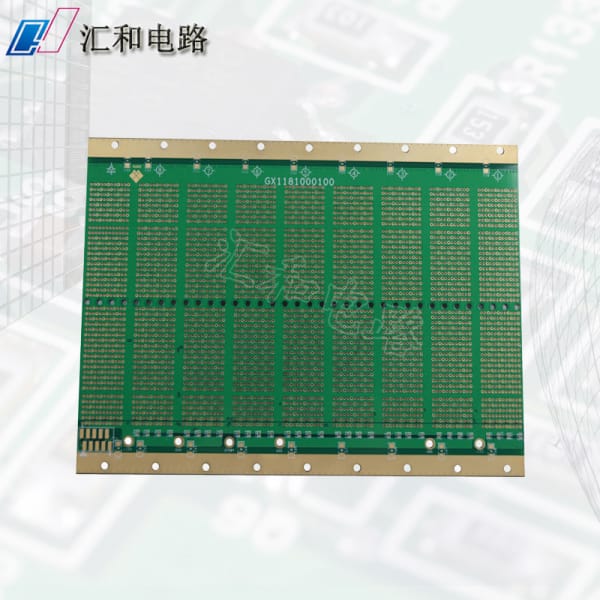

The Electronics industry is witnessing dramatic transformations with the development of flexible printed circuit boards (FPC). These boards are taking the place of the traditional rigid printed circuit boards (PCB) due to their flexibility, reduced weight, and space-saving capabilities. FPC boards are essential parts that connect electronic devices’ components and transmit the electrical signals between them. This article delves into the world of FPC boards, discussing what they are, their advantages, limitations, and applications.
FPC board – What is it?
A flexible printed circuit board (FPC) is a type of PCB with various layers of conductive material embedded between two layers of flexible polymer film. The layers of conductive material are interconnected with vias to create electronic circuitry. The polymer film allows the board to be bent or folded without cracking, making it an excellent option for creating complex circuit designs in smaller devices.
Advantages of FPC Board
The primary advantage of the FPC board lies in its flexibility. As mentioned earlier, the FPC board provides the ability to bend, twist, and fold circuits that traditional rigid PCBs cannot withstand, making it ideal for complex and intricate designs. Additionally, FPC boards have a lower weight and smaller footprint than rigid PCBs, making them ideal for applications requiring space optimization, such as wearable electronics, smartphones, tablets, and other consumer devices.
FPC boards also offer excellent performance in high-temperature environments. Their heat-resistant polymer film and conductive materials make them less sensitive to high temperature over extended periods. This feature makes them suitable for aerospace, military, and automotive applications.
Limitations of FPC Board
As with any technology, FPC board also has some limitations to consider. One of the main constraints with FPC boards is their complexity. Due to their flexibility, FPC boards have intricate circuit designs that demand significant expertise for manufacturing, making their cost per unit higher than that of traditional PCBs. Additionally, FPC boards’ flexibility also means they cannot handle as much power as rigid PCBs, restricting their use in high-power applications.
Applications of FPC Board
FPC boards have found their way into many applications, including those that require a flexible form factor. For example, the medical industry uses FPC boards on respiratory devices, drug delivery systems, and body monitoring systems. The automotive industry also benefits from FPC boards, using them in electronic control units (ECUs), sensors, and lighting systems in vehicles.
FPC boards are also prevalent in the consumer electronics industry, such as smartphones, tablets, laptops, and smartwatches. They provide a compact and space-saving solution, allowing for thinner foldable designs, larger screens, and extended battery life. In the aerospace and military industries, FPC boards have found use in avionics, satellite communication systems, missile systems, and other electronic-based applications.
Conclusion
The advent of flexible printed circuit boards (FPC) has opened up new possibilities for electronics design, leading to smaller, more efficient, and more complex devices. By overcoming the limitations of rigid PCBs, FPC boards have expanded their applications to a broad range of industries, including automotive, aerospace, consumer electronics, and medical devices. FPC technology is continuously evolving, with more advanced materials, efficient component placement techniques, and low-cost manufacturing processes emerging. With all these improvements, the future looks promising for FPC technology.
相關新聞
-
pcb電路板的作用有哪些,pcb電路板是什么材質?
PCB電路板的作用有哪些,PCB電路板是什么材質?這些問題在電子工程領域是非常基礎的問答內容。PCB電路板,或稱印制電路板,是電子設備中最常用的電路板之一,廣泛應用于計算機、通信、汽車、醫療和其他電子設備中。那么,PCB電路板的作用,以及PCB電路板的材質到底是什么呢?下面將詳細介紹。 一、PCB電路板的作用 1、 實現電路功能 PCB電路板的最主要作用就是實現電路功能,根據電路原理圖鋪設電路,通過導電線路將各個元器件連接起來。在不同的PCB電路板中,可以實現不同的電路功能,包括信號放大、數據處…
-
pcb和pcb板的區別
PCB和PCB板是電路板設計和生產中的兩個常用術語,兩者有何區別呢? PCB是印刷電路板(Printed Circuit Board)的縮寫,是一種用特殊工藝制作的連接電子元件的板子,即所謂的電路板。它是一種載體,用于連接電子元件,或在電子設備中建立電子電路。通過PCB設計,我們可以實現將電子元件線路連接到板子上的效果。 PCB可以分為多層板和單層板,多層板因為可以容納更多的線路,成本較高,但性能更好。單層板可以滿足簡單的電路需求,成本較低,但是線路數量有限制。 PCB上的電路是通過對電路圖進行…
-
什么是pcb行業,什么是pcb設計?
什么是PCB行業,什么是PCB設計?這是許多人在了解電子行業,電路板制造等方面時會問的問題,而本文將為你詳細解答。 PCB行業是什么? PCB行業又稱為電路板行業,是指從電路板的設計、制造、組裝、測試等全過程,以及與之相關的材料、設備和技術服務等方面的產業鏈。隨著現代電子技術的迅猛發展和電子產品應用的日益廣泛,電路板制造作為電子產品中不可或缺的組成部分,具有巨大的市場潛力和前景。 PCB設計是什么? PCB設計是指以電路原理圖為基礎,在保證電路功能的前提下,按照規定的布局及線路連接方式,對電路板…
-
pcb材質fr4,pcb材質FR4是什么材質?
pcb材質FR4是什么材質?或許這是很多人都不太清楚的一個問題,而本文將為您一一講述。 首先,讓我們來談談什么是PCB(Printed Circuit Board),即印刷電路板。PCB是電子產品中不可或缺的一部分,作為電子設備的重要組成部分,主要是為了方便電路連接,簡化電路設計,提高生產效率,降低成本等。 而PCB材質則是指印刷電路板的制作材料。目前市場上主要流行的PCB材質有FR4、CEM-3、金屬鋁基板等。其中以FR4為主流,因為它在電子制造行業中的廣泛應用,使用時間長、穩定性高、性價比高…
-
hdi板與普通pcb的區別,hdi板和通孔板區別?
HD板與普通PCB的區別,HD板和通孔板區別 隨著科技的發展,有越來越多的電子產品被廣泛應用于各個領域。而電子產品的核心就是電子電路板,也稱為PCB板。針對不同的應用場景,PCB板也有不同的類型。其中,HD板和普通PCB板是比較常見的兩種類型,本文將重點分析HD板和普通PCB板之間的區別,并同時對HD板和通孔板進行對比。 一、什么是普通PCB板? 普通PCB板,就是指一般的銅箔板,在電子產品中起著支持電子元件,傳輸電能的功能。它通常采用雙面或單面印刷技術,使用環氧樹脂或FR4材料作為底板,通孔技…
-
pcb 是什么意思,pcb的全稱
PCB是什么意思,PCB的全稱 在現代的電子產品制造過程中,PCB無疑是必不可少的一環。但是許多人可能不知道PCB是什么意思,PCB的全稱是什么。本篇文章將為您詳細介紹。 PCB全稱Printed Circuit Board,即印刷電路板,是在非絕緣基材上銅箔粘結成線路圖樣后,通過化學蝕刻、鉆孔等工藝加工成所需的電路連接和布線的電子元器件支撐物。簡單來說,就是用一種具有導電性的物質,在一個非導電性的基底上制出特定的線路連接和布線符號,將電子元器件、電器裝置等接口部件牢固地固定在板上,從而實現電路…
 3002788751